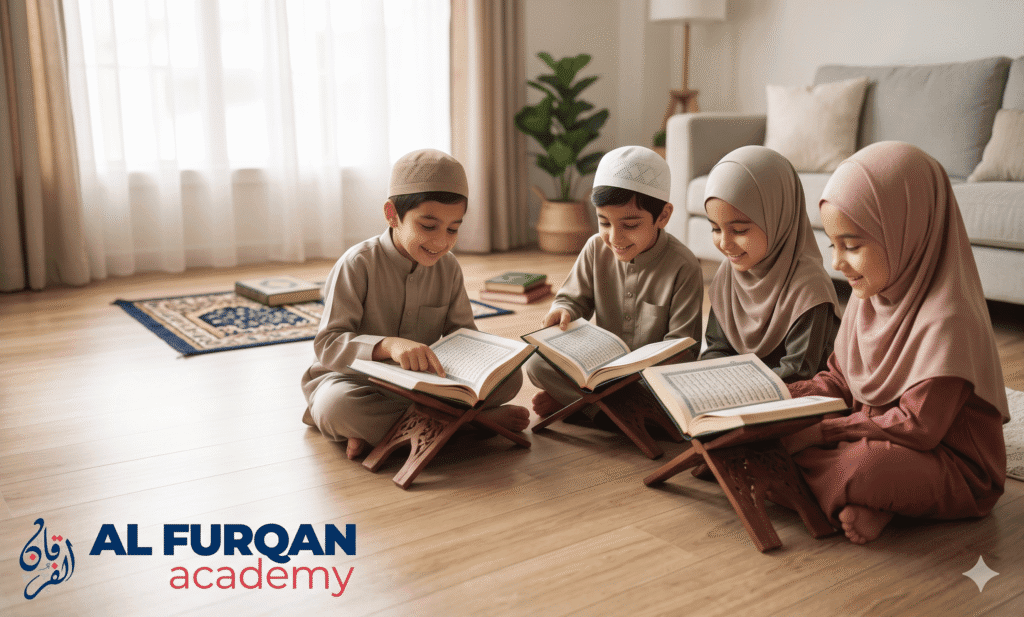
Learning the Holy Quran is one of the most rewarding journeys a Muslim can undertake. Whether you’re a child beginning your first lesson, an adult returning to Quran study after many years, or a parent looking for the best way to teach your children, it’s never too late to start. Thanks to modern technology, learning the Quran at home has become easier than ever through online Quran classes, qualified tutors, and interactive learning resources.
If you’re searching for Quran for beginners or wondering how to start learning Quran at home, this comprehensive guide will walk you through every step. From learning the Arabic alphabet and Noorani Qaida to mastering Tajweed and developing a consistent study routine, you’ll discover everything you need to begin your Quran learning journey in 2026.
The Quran is the divine word of Allah and serves as a complete guide for Muslims in every aspect of life. Learning to read and understand the Quran strengthens faith, improves worship, and brings countless spiritual rewards.
For beginners, learning the Quran offers several benefits:
Whether you’re learning independently or through an online Quran academy, consistency is the key to success.
Every act of worship starts with sincerity. Before opening the Quran, make the intention to learn solely for the sake of Allah.
A sincere intention helps you:
Remember, even small daily efforts are valuable when done consistently.
The first practical step is learning the Arabic alphabet. Beginners should focus on recognizing each letter, understanding its pronunciation, and practicing how letters connect to form words.
Key areas to master include:
Most beginners start with Noorani Qaida, a structured book that teaches the fundamentals of Quran reading.
Noorani Qaida is widely recommended for beginners because it introduces Quran reading gradually.
Through Noorani Qaida, students learn:
Many online Quran classes for beginners include Noorani Qaida as the first stage of learning.
Reading the Quran correctly is just as important as reading it fluently. Tajweed teaches the proper pronunciation and articulation of Arabic letters, ensuring that every word is recited as it was revealed.
Important Tajweed topics include:
Learn where each Arabic letter originates in the mouth or throat.
Understand the qualities that distinguish one letter from another.
Study:
Learn when and how to elongate sounds correctly.
Mastering these rules improves both accuracy and confidence in Quran recitation.
Although self-study is helpful, learning from an experienced Quran teacher ensures faster progress and fewer mistakes.
A qualified tutor provides:
Many families now prefer one-on-one online Quran classes because they offer individualized attention and flexible scheduling.
Consistency is more effective than studying for long hours occasionally.
| Activity | Time |
|---|---|
| Arabic Alphabet / Noorani Qaida | 15 minutes |
| Quran Reading | 20 minutes |
| Tajweed Practice | 15 minutes |
| Revision | 10 minutes |
| Listening to Quran | 10 minutes |
Even 45–60 minutes of focused study each day can lead to steady improvement.
Listening to experienced reciters helps beginners improve pronunciation, fluency, and rhythm.
Some respected reciters include:
Listen to a short passage, then try reciting it while applying the same pronunciation and rhythm.
Daily practice is essential for improvement.
Instead of trying to learn large portions at once:
Consistency builds confidence and long-term retention.
Understanding the Quran makes learning more meaningful.
Alongside recitation:
This approach deepens your connection with the Quran beyond memorization.
Technology has transformed Islamic education, making it easier to learn from home.
Useful resources include:
Choose resources that provide structured lessons and guidance from qualified teachers.
Many beginners slow their progress by making avoidable mistakes.
These include:
Remember that learning the Quran is a gradual process that rewards patience and persistence.
Home-based Quran learning has become increasingly popular because it offers:
Families can easily fit Quran lessons into their daily routines without the need to travel.
Maintaining motivation is essential for long-term success.
You can stay inspired by:
Every page you read and every verse you learn is an investment in both this life and the Hereafter.
Starting your Quran learning journey at home is one of the best decisions you can make for your spiritual growth. Whether you’re a complete beginner, an adult learner, or a parent introducing your child to the Quran, success comes from consistent practice, proper guidance, and sincere intention.
Begin with the Arabic alphabet, study Noorani Qaida, learn the foundations of Tajweed, and practice daily under the supervision of a qualified teacher. With the availability of online Quran classes, live Quran tutors, and interactive learning resources in 2026, learning the Quran from home has never been more accessible.
Take the first step today, stay patient throughout your journey, and trust that every effort you make in learning the words of Allah will bring immense rewards and lasting spiritual benefits.